

 (Source: DepositPhotos)
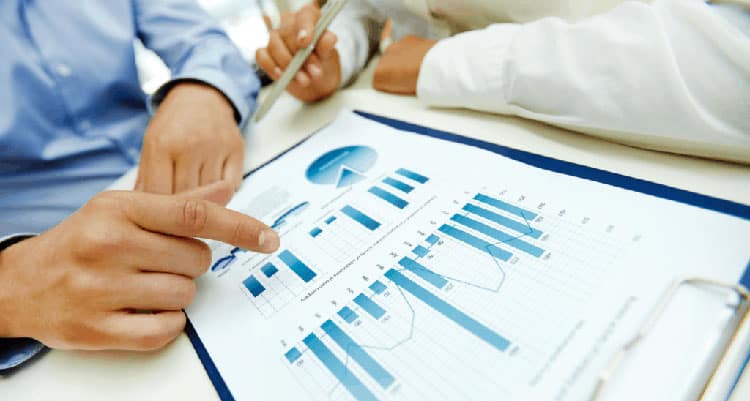
Predictive modeling employs statistical models to forecast potential outcomes. For businesses, these outcomes could center on understanding when their machines will fail or when consumers will spend the most money.
There are two key parts to predictive modeling:
First you need to collect vast amounts of raw data to analyze. Depending on the type of business you work in (and the type of prediction you’d like to make), you can get this data through sensors, user surveys, inventory sheets, sales data, and digital tracking.
Once you have this data, you need to use a statistical framework to analyze it to identify trends, anomalies, and potential outcomes. Some of the most common predictive models include:
(Source: DepositPhotos)
Predictive modeling employs statistical models to forecast potential outcomes. For businesses, these outcomes could center on understanding when their machines will fail or when consumers will spend the most money.
There are two key parts to predictive modeling:
First you need to collect vast amounts of raw data to analyze. Depending on the type of business you work in (and the type of prediction you’d like to make), you can get this data through sensors, user surveys, inventory sheets, sales data, and digital tracking.
Once you have this data, you need to use a statistical framework to analyze it to identify trends, anomalies, and potential outcomes. Some of the most common predictive models include:
- Neural Networks
- Linear Regression
- Decision Trees
8 Notable Predictive Modeling Examples
Retail Modeling
 (Source: DepositPhotos)
1. Personalizing In-Store Experiences
Over the years, large retail companies have collected large customer data sets through their websites, mobile apps, point-of-sale terminals, and other sources. Today, many of these companies are using their big data assets to tailor in-store experiences to drive more cross-selling and other revenue generating tactics. As an example of retail predictive modeling, Walmart studies 200 billion rows of transactional information on a bi-weekly basis to best position products, schedule sales, and other activities. With this data, their retailers implement tactics that could drive impulsive purchases and identify seasonal goods. It allows them to employ changes that not only boost sales but also reduce sunk costs and write-offs.2. Understanding Online Customers
Retailers are also using their e-commerce data to improve sales conversion rates, reduce customer churn, and lower customer acquisition costs. They do this by improving their understanding of their customers’ online behavior, notably in terms of buying patterns and motives. Besides data from their e-commerce websites, retailers will also use data from social media, email, and other platforms. Common sales improvement tactics include:- Targeted messaging
- Targeted advertising
- Targeted promotional offers
Financial Modeling
 (Source: DepositPhotos)
3. Assessing Risk
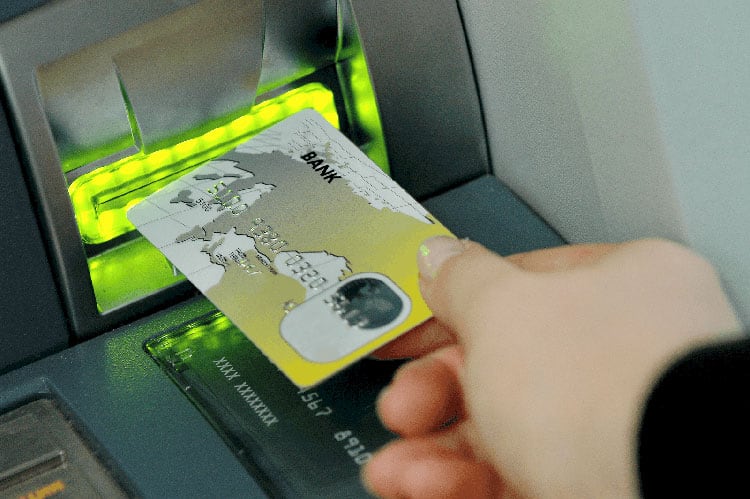
In the financial services industry, artificial intelligence plays a major role in building predictive models that look for risk in customers and transactions. For example, banks are using credit scoring models to evaluate the ability of a potential client to repay their loans. Likewise, the FICO credit score uses a statistical model to predict if you’re likely to miss a payment in the next 90 days. Predictive models are also valuable for assessing people without a significant credit history, such as new immigrants and young people.Discover How Simulation Modeling Can Help Your Business
- 4 Definitive Discrete Event Simulation Examples
- 4 Types of Simulation Models to Leverage in Your Business
- 4 Agent-Based Modeling Examples
4. Thwarting Financial Crime
The financial industry is also using predictive analytics models to stop fraud and theft. By using data on the client’s past financial behavior, banks are doing a better job at spotting compromised accounts. These models may flag statistically unlikely behaviour (like making purchases over a specific value, or shopping in a certain geographical area) as risk factors for theft.5. Helping Clients Manage Their Finances
A growing number of banks are also using predictive analysis to help their clients manage their personal finances. For example, bank applications will alert you of an upcoming car lease payment. They will also warn if you are spending too much against your budget. While these in-app notifications are a much simpler version of predictive analytics, they are nevertheless statistical models that help people make financial decisions.Aerospace Modeling
 (Source: DepositPhotos)
6. Reducing Aircraft Maintenance Costs
A growing number of airlines are using predictive modeling to control aircraft maintenance costs. They are using sensors that record and provide data about the condition of various parts into the aircraft. In turn, those sensors alert airlines of aging and degrading parts, enabling the airline to schedule spare parts orders and maintenance downtime ahead of time. As a result, airlines can ground their aircraft for maintenance outside of peak travel seasons, i.e., when they need their planes the most. Also, by only ordering parts when they need them (just in time), airlines can reduce their inventory costs.Manufacturing Modeling
 (Source: DepositPhotos)
7. Matching Output to Demand
Manufacturers are using predictive modeling to forecast demand and, in turn, align their output to match it. This shift enables manufacturers to both fulfill their orders on time and avoid surplus products. In other words, predictive modeling lets manufacturers achieve their revenue goals by using fewer resources (or increase revenue with the same amount of resources).Wish You Could Prevent Unscheduled Machine Downtime? You Actually Can With Predictive Modeling